
 Workplace Management
24 September 2026
Best Workplace Management Software in 2026: 6 Tools Compared
Compare six workplace management platforms. See what each is suited for and how to choose the right fit in 2026.

Deesha
|
4 Min Read
Read More

Key Takeaways
The pandemic reshaped workplaces, introducing hybrid as a new model alongside on-site and remote setups.
On-site work continues but with scattered office populations and cautious returns influenced by vaccination confidence.
Remote work surged during the pandemic, offering flexibility, cost savings, and better work-life balance for employees.
Studies show 20-30% of employees are expected to remain primarily remote beyond 2021.
Hybrid work blends office and remote models, offering flexibility, autonomy, collaboration, and improved employee satisfaction.
Around 60–70% of the workforce is projected to adopt hybrid models in the post-pandemic era.
Surveys reveal 55% of U.S. employees prefer a mix of onsite and remote work arrangements.
Leading companies like Google, Microsoft, Dell, and HubSpot have adopted customized hybrid work approaches.
Experts believe employee preferences will remain fluid, with hybrid forming the foundation of future workplace models.
The pandemic has forever changed the way we work. The structure of our workplaces and our work preferences are undergoing shifts. While some are up for a remote setting, few want a mix of on-site and remote work. The evolving work models are also influencing employee work preferences. This blog aims to define the new and refined work models and determine employee work preference.
While the on-site model seems to have ruled the work preferences landscape for years, the pandemic has introduced a new type: the hybrid work model. To understand employee work preferences, we need to comprehend the different work scenarios.
Pre-pandemic, this used to be the most common work model. Every morning, hordes of employees would get ready in their best formal attire, grab a cup of coffee and commute to their workplace. ON-SITE, meaning a particular place. And then 2020 happened!
In the post-pandemic world, the on-site model is where an employee works from the office more than 20 days a month.
While our offices remain the same, the overall approach to on-site work will be more complicated than before, given that the office population will be highly scattered.
By July 2021, 75% of executives anticipate that at least 30-40% of the employees will be working in the office. Vaccination efforts have instilled confidence in returning employees, although the recent surge in cases will delay the return-to-office process. Thus it can be safely assumed that the on-site work model is here to stay, but its role will change.
Also Read: India’s Return-to-Office Index
Under the remote work model, employees will primarily work from home with less than 4 days of work from the office in a month.
Gallup Poll in 2017 indicated that 43% of American workers prefer working remotely. This number was rising every year. The pandemic only reversed its minority into a majority.
The followers of this work model believe that it promotes a better work-life balance. Since you end up saving your commute time, you can focus on doing something you love.
From a company perspective, an INC report suggested that it can save up to $2000 per employee by allowing them to work remotely. So, yes, it goes without saying- remote work has its benefits, and it has been gaining followers. Over 20-30% of employees will end up working remotely by the end of 2021.

Bonus Read: How to Deal with Burnout
Under the hybrid work model, employees will work from the office for 5-19 days a month, and the remaining period will be remote work. 60-70% of the workforce will be adopting this model in the post-pandemic world.
Since this work setting lies somewhere between on-site and remote models, it combines the best of both worlds. While it encourages better collaboration, it also allows employees to balance their work and life. The hybrid work model provides more freedom and flexibility to employees. It grants more autonomy to employees to fit the job in their lives rather than to fit their lives in their work.
Furthermore, a study conducted by SIEPR revealed that 55% of US employees want a mixture of onsite and remote working. Therefore, the hybrid work model is here to stay.

Recommended Reading: 5 Hybrid Workplace Trends for 2021
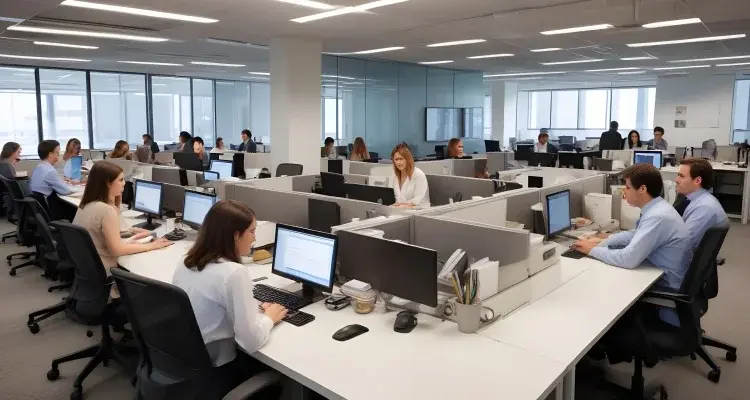
Different hybrid work models exist. Here is a list of companies that have announced various hybrid work models for their organizations.
Dell: Hybrid employees must work from office only on specific days in a week as decided by the company
AbInBev: Each hybrid employee will work from office for a week followed by two weeks of remote work
Google: Hybrid employees can work from office any three days a week after agreeing with the team members
Microsoft: Both managers and employees can decide the days to work on-site
Randstad: Both managers and employees can determine the days to work on-site
HubSpot: Employees can choose which model they want to accept
Bonus Read: How we helped AbInBev Implement Hybrid Workplace: Case Study
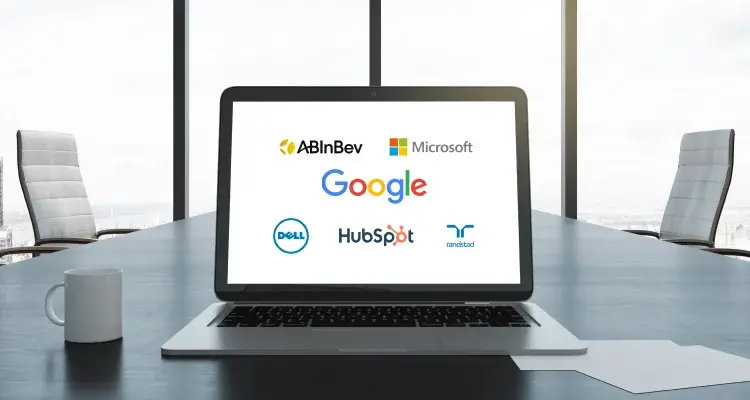
It is imperative to understand that no organization can have anyone model work for them. It will be at large a combination of the three work models mentioned above. According to our analysis of the data collected, this is what the future of our workplace will look like:
Also Read: How to Design a Hybrid Workplace
WorkInSync was designed to help organizations adopt the hybrid work model. Listed are ways WorkInSync can help you:
Decentralizes the work from office process to employees and team managers using the employee work preference feature. Employees can choose the days they want to work from the office and plan the same alongside their managers
Makes office facilities flexible for easy adoption of the hybrid work model. For the same, WorkInSync offers features like desk reservation, booking meeting rooms, cafeteria, parking spot, and office commute
Simplifies and provides transparency to the employee scheduling process at Pan Organizational Level with features such as centralized dashboards and easy access for HRs and workspace managers
Discover the wonders that WorkInSync Offers. Schedule a Demo
So, now you are familiar with the three most popular and common work models that your employees might prefer. But how to decide which work model they prefer? We have listed a few questions that will help you understand your employees’ pulse and determine their work preferences.
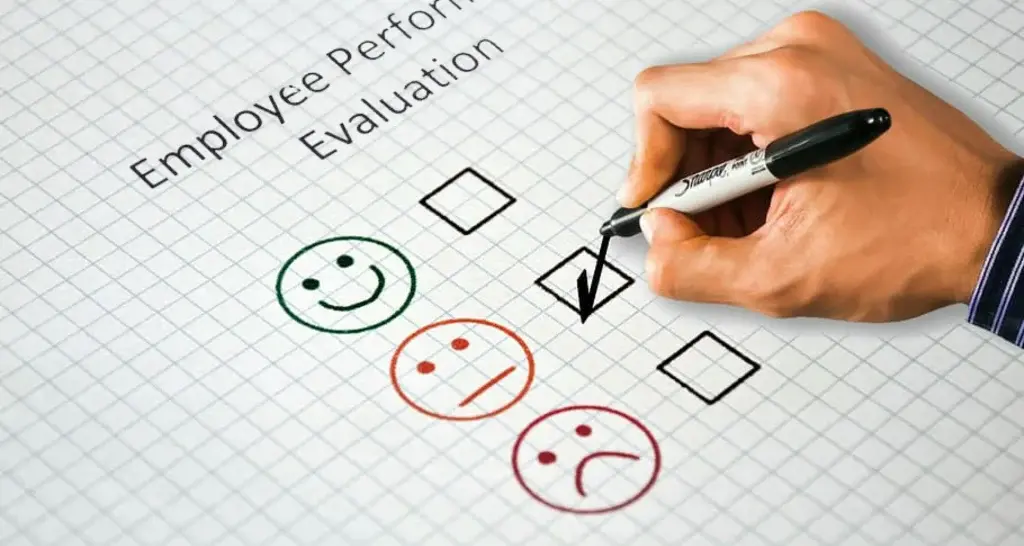
Experts believe that these three work models will form the foundation for all future work models. Improvements are being made to each of these models to ensure better employee convenience.
They also believe that employee work preferences will keep changing based on their present situation. While some will continue to work remotely, a fraction is expected to return to office once they are vaccinated. Oh, and a few will continue to advocate the benefits of the hybrid work model.
Let us know which work model do your employees prefer the most. Subscribe to our blog to stay updated with the latest workplace developments.
 Workplace Management
24 September 2026
Compare six workplace management platforms. See what each is suited for and how to choose the right fit in 2026.
Deesha
|
4 Min Read
Read More
 Announcement
13 August 2026
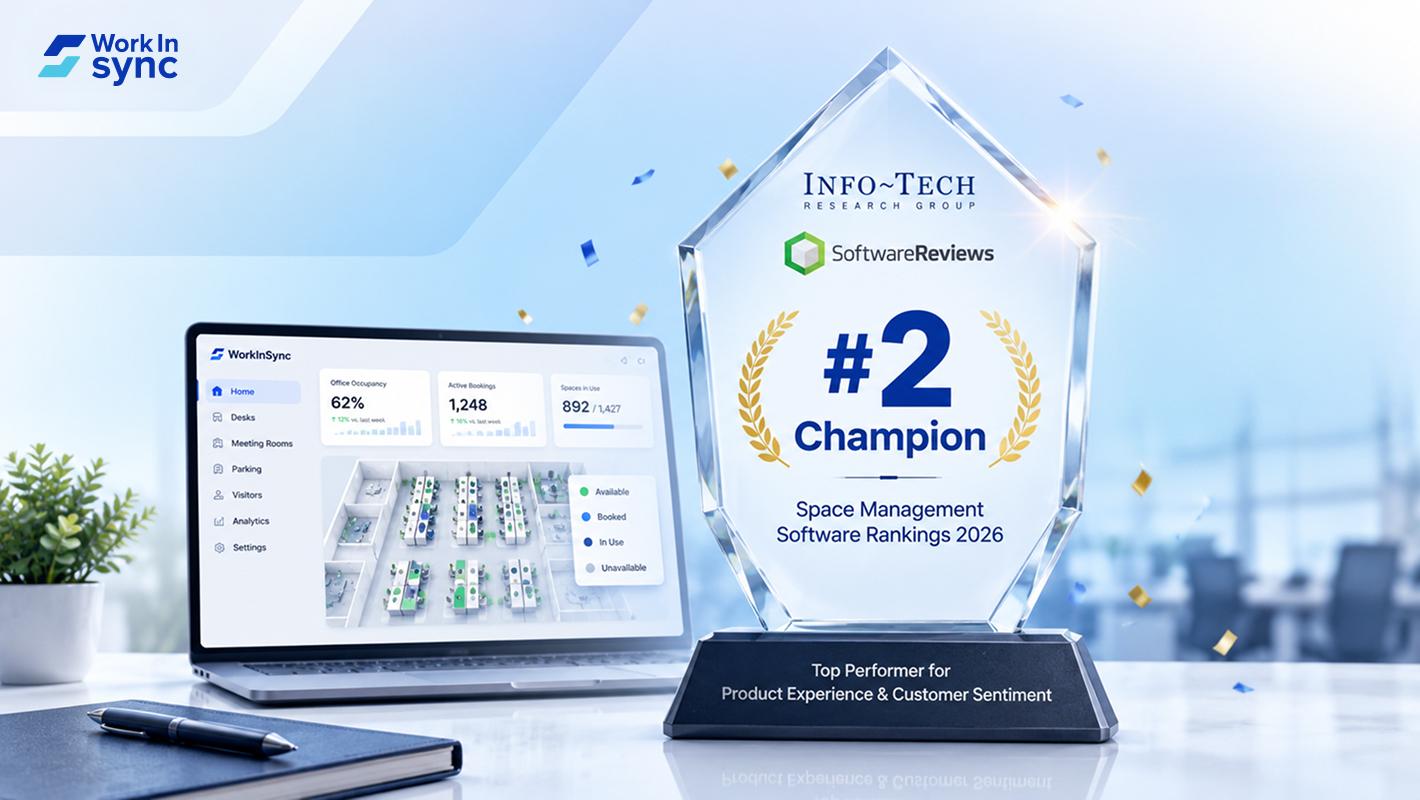
WorkInSync has been recognized by Info-Tech Research Group as a Champion in the 2026 Data Quadrant for Space Management, ranking #2, and as a Champion in the Emotional Footprint, ranking #2. Both awards are published on SoftwareReviews, Info-Tech's ratings platform, where rankings are built entirely from user feedback.

Sai Riddi
|
2 Min Read
Read More
 Desk Booking Software
5 June 2026
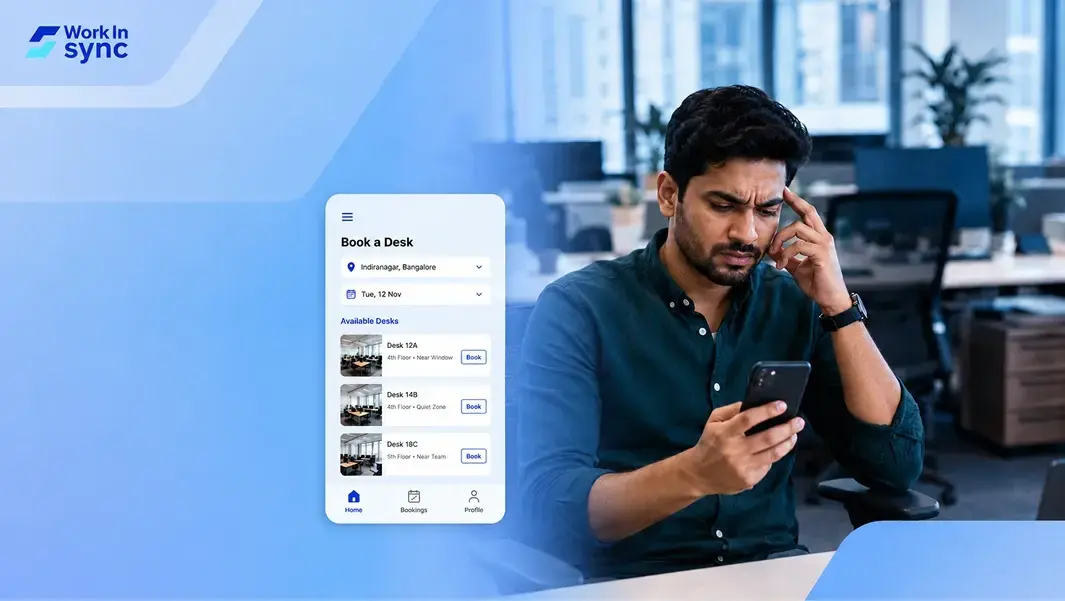
Let’s not pretend otherwise. Somewhere in your organization, a well-meaning IT or facilities team rolled out a desk booking system. There was a demo. Someone said “seamless.” There may have been a slide with the word “frictionless” on it. Leadership nodded. Procurement signed off. And then employees quietly went back to texting each other on […]

Ujjwal Trivedi
|
6 Min Read
Read More