
 Workplace Management
24 September 2026
Best Workplace Management Software in 2026: 6 Tools Compared
Compare six workplace management platforms. See what each is suited for and how to choose the right fit in 2026.

Deesha
|
4 Min Read
Read More

Key Takeaways
Modern visitor management systems transform first impressions into strategic brand opportunities.
Seamless check-in experiences directly improve security while enhancing guest satisfaction.
Investing in visitor experience delivers measurable returns through stronger relationships and operational efficiency.
The moment a visitor walks through your office doors, they begin forming opinions about your organization. A modern visitor management system directly shapes these first impressions by transforming chaotic check-ins into seamless, professional experiences that reflect your brand values. Whether you’re welcoming clients, candidates, or partners, the quality of their arrival sets the tone for every interaction that follows.
Traditional sign-in sheets and disorganized lobby processes create friction that undermines your professionalism. Implementing visitor management strategies helps you deliver security, efficiency, and hospitality simultaneously. When you improve visitor experience in your office, you’re making a strategic investment in how people perceive your company culture and capabilities.
Visitor management and brand perception are more connected than most organizations realize. Every touchpoint, from pre-registration to badge printing to host notifications, communicates something about your attention to detail and respect for people’s time. By redesigning your visitor journey with purpose, you create memorable experiences that strengthen relationships and differentiate your workplace from competitors.
The way organizations handle visitors has shifted from a basic security function to a strategic opportunity that shapes brand perception and business outcomes. Modern visitor management focuses on the entire journey rather than just the check-in moment.
Your reception area no longer serves as a simple gatekeeping function. Organizations now recognize that visitor management tracks the entire flow of guests through facilities, from pre-arrival to departure.
A visitor management system enables you to create seamless experiences through digital pre-registration, automated host notifications, and guided wayfinding. These tools transform what was once a clipboard and pen into a strategic touchpoint.
When visitors receive pre-visit instructions, skip lengthy manual forms, and move smoothly through your space, they form positive impressions before any formal meeting begins.
Fewer people visit offices now, which makes each visit more significant. Your reception area creates an outsized impact when clients, partners, and candidates experience it infrequently.
The first five minutes of a visit set the tone for everything that follows. A confused arrival or lengthy wait signals disorganization, while a smooth check-in demonstrates operational excellence.
A frustrating visitor experience damages your reputation in measurable ways. Prospective employees reconsider job offers after chaotic office visits. Potential clients question your attention to detail when basic hospitality fails.
Security risks also increase when manual processes create gaps. Lost sign-in sheets, unknown visitors wandering hallways, and no emergency evacuation records expose your organization to liability.
The contrast with competitors matters too. When other companies offer polished, technology-enabled visitor experiences, your outdated approach becomes more noticeable and less acceptable to guests who expect modern conveniences.
The reception area sets immediate expectations about your organization’s professionalism and security standards. Visitors form judgments within moments of arrival based on how efficiently they’re greeted, how secure the check-in process feels, and whether the environment reflects your company’s values.
Your visitors assess multiple factors the moment they enter your building. They observe whether front desk staff acknowledge them promptly, how organized the check-in area appears, and if the process feels streamlined or chaotic.
Smart visitor management systems guide guests through the entire process from pre-arrival to check-in. Physical elements matter too, cluttered desks, outdated signage, or unclear instructions create confusion.
The speed of service directly impacts perception. A visitor who signs in quickly and receives clear directions will view your organization more favorably than someone who waits without acknowledgment.
The front desk experience can make or break a visit by establishing trust through visible security measures. When visitors see access control systems and proper badge protocols, they feel confident about workplace security.
Your security teams rely on front desk procedures to maintain building integrity. A professional check-in process demonstrates that you take safety seriously while remaining welcoming.
Inconsistent procedures raise concerns. Visitors notice when some guests bypass security while others undergo thorough screening. This inconsistency undermines both your security standards and professional image.
Your reception area must reflect the values you communicate in marketing materials. If your brand emphasizes innovation but your check-in uses paper logbooks, the disconnect damages credibility.
Key alignment factors include:
Technology choices – Modern kiosks versus manual sign-in sheets
Staff training – How front desk staff communicates your culture
Visual design – Whether the space matches your brand aesthetic
Process efficiency – If wait times reflect your commitment to service
Companies that promise attention to detail must demonstrate it through organized, thorough reception protocols.
Modern visitor experience extends beyond traditional visitor logs to create personalized journeys that span every touchpoint. This approach integrates technology with hospitality principles to deliver seamless interactions while maintaining security and compliance.
Traditional visitor log systems focused solely on documentation. You recorded names, times, and basic information in a paper logbook or simple digital form.
Visitor Experience 2.0 transforms this transactional process into an engagement opportunity. Your visitor management system becomes a platform for personalized services that reflect your brand values. Pre-printed badges, reserved parking spaces, and room bookings create a concierge-level experience.
The system works behind the scenes to gather preferences and streamline future visits. You build a relationship with each visitor rather than simply checking boxes. This shift changes how guests perceive your organization from their first interaction.
Your visitor experience now begins before someone enters the building. Pre-registration allows guests to submit information, receive digital credentials, and plan their arrival in advance.
On-site touchpoints include:
Self-service kiosks for quick check-in
Notifications to alert hosts
Wayfinding assistance through digital displays
Badge printing with role-based access
Post-visit engagement maintains the connection. You can send follow-up surveys, share relevant resources, or provide feedback channels. This continuous journey supports hybrid work environments where visitor patterns vary and scheduling becomes more complex.
You must design your visitor experience for all abilities and needs. Digital interfaces should meet accessibility standards with screen reader compatibility, adjustable text sizes, and clear navigation paths.
Physical accommodations include accessible check-in stations, visual and auditory alerts, and multilingual support. Your system should accommodate various identification methods beyond standard IDs.
Inclusive design considers cultural sensitivities, privacy preferences, and diverse communication styles. Smart offices integrate these features automatically rather than requiring special requests that single out individuals.
Every workplace visit unfolds through distinct phases that shape perception and experience. Understanding each touchpoint allows you to optimize how visitors interact with your space and brand from first contact through follow-up.
Your visitor journey begins long before someone walks through your doors. Pre-arrival communication sets the tone for the entire experience and reduces anxiety about unfamiliar spaces.
Send confirmation emails with clear directions, parking instructions, and what to expect during visitor registration. Include details about your building’s entry process so visitors know whether to bring identification or other required documents. Pre-registration systems allow you to collect visitor data in advance, which speeds up the actual check-in process.
Digital invitations with calendar integration help visitors plan their arrival time accurately. When you provide mobile-friendly information, visitors can reference instructions while traveling to your location.
The visitor check-in experience creates immediate impressions about your organization’s professionalism and efficiency. A slow or confusing visitor sign-in process frustrates guests and wastes valuable time.
Modern visitor management systems replace paper logbooks with tablets or kiosks that guide visitors through registration quickly. These systems capture necessary visitor data while maintaining security protocols and compliance requirements.
Clear signage from parking areas to reception desks eliminates confusion. Your reception area should feel welcoming while the check-in technology works seamlessly in the background. Badge printing happens automatically, and host notifications send instantly when their guests arrive.
Once checked in, visitors need clear wayfinding and appropriate access throughout your facility. Your physical space should communicate where visitors can go and what amenities are available to them.
Floor kiosks or wayfinding on mobile apps can provide maps and directions to meeting rooms, restrooms, and common areas. Temporary access credentials ensure visitors can move through necessary spaces without constant escort while maintaining security in restricted areas.
Comfortable waiting areas with WiFi access and refreshments show consideration for your guests’ needs. The on-site portion of the visitor journey reflects your company culture and operational excellence.
The visitor journey extends beyond departure. Post-visit communication reinforces positive impressions and gathers valuable feedback for continuous improvement.
Automated check-out processes record departure times and ensure access credentials are deactivated. Follow-up emails thanking visitors for their time demonstrate professionalism and provide opportunities to share additional resources or schedule future meetings.
Visitor journey mapping helps you analyze patterns in visitor data to identify bottlenecks or pain points. Survey responses reveal what worked well and what needs adjustment. This feedback loop allows you to refine each touchpoint systematically, creating better experiences for future visitors.
Modern visitor management systems transform how guests interact with your workplace from the moment they arrive. These platforms reduce friction at entry points while creating personalized, secure experiences that reflect positively on your organization.
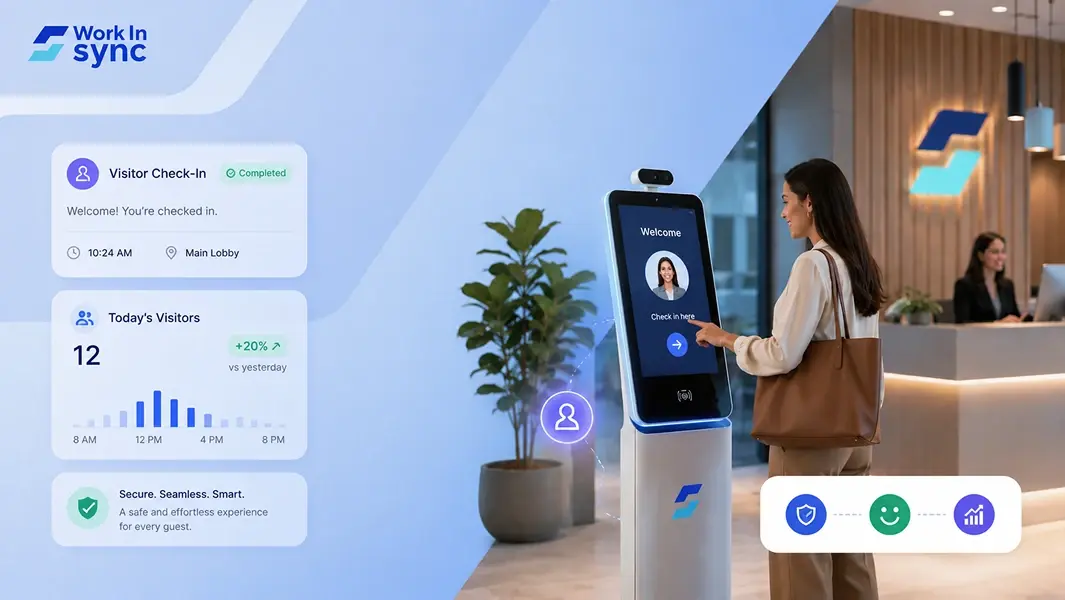
Digital check-in eliminates the traditional reception bottleneck. When visitors arrive, they can use self-service kiosks or mobile check-in to register themselves within seconds rather than waiting for front desk staff to manually log their information.
Visitor management systems streamline check-in processes by pre-registering expected guests. You send arrival details in advance, and your visitors receive QR codes they scan upon entry. The system instantly verifies their identity, prints their visitor badge, and notifies the host automatically.
Contactless check-in options reduce physical touchpoints while speeding up the process. Your guests simply tap their phone or scan a code to complete registration. The average check-in time drops from 8-10 minutes with manual processes to under 2 minutes with automated check-in.
Visitor management software remembers returning guests and their preferences. When someone visits your office for the third time, the system recognizes them and can pre-fill their information, skip redundant questions, and even customize welcome messages.
You can configure different visitor workflows based on visit type. A job candidate receives different instructions than a vendor or client. The system adapts the check-in flow, required fields, and compliance documents based on the visitor persona you’ve defined.
Enterprise visitor management platforms integrate with your calendar systems. When you schedule a meeting, the VMS automatically sends your guest pre-arrival instructions, parking details, and building access information tailored to their specific appointment.
Photo capture and ID verification happen naturally during digital check-in without feeling invasive. Your visitors understand these security measures protect everyone, especially when presented through a polished, professional interface rather than an intimidating manual process.
Access control integration ensures visitors only enter authorized areas. The visitor badge or QR code serves as their temporary credential, automatically expiring after their scheduled departure time. This provides comprehensive security while maintaining a positive experience.
Visitor identification becomes friction-free when the system handles compliance requirements in the background. Your guests complete necessary screenings and agreements on an iPad interface that feels modern rather than bureaucratic.
You can configure separate workflows that collect relevant information for each visitor type without asking unnecessary questions.
Contractors might receive multi-day badges with specific area restrictions, while interview candidates get single-use access with automatic host notifications. Client visitors could bypass certain security steps based on pre-approved status, while first-time guests complete full registration.
The system adapts badge printing based on visitor classification. This segmentation happens automatically through your configured visitor workflows, requiring no manual sorting at reception.
Your lobby serves as a physical manifestation of your company’s values, while visitor interactions directly influence business outcomes and internal morale.
Your reception area communicates brand identity before any conversation begins. A streamlined check-in process using digital tools signals efficiency and innovation. Personalized greetings and pre-registered access demonstrate attention to detail and respect for guest time.
Tech-enabled visitor management systems remove friction points that contradict claims of customer-centricity. If your company promotes sustainability, a paperless sign-in process reinforces this commitment. If you emphasize security, visible badge systems and clear protocols build trust immediately.
The physical environment matters equally. Clean spaces, functional amenities, and comfortable waiting areas reflect operational standards. Inconsistent guest experiences reveal gaps between stated values and actual practices.
First impressions shape business relationships. A disorganized reception creates doubt about your operational capabilities. Delayed check-ins waste executive time and suggest poor internal coordination.
Enhancing visitor experience improves brand perceptions during critical business interactions. Prospective clients evaluate your professionalism through lobby interactions. Partners assess cultural fit based on how your team treats guests.
Efficient visitor management during high-stakes meetings allows focus on substantive discussions rather than logistical issues. Guest feedback about seamless experiences reinforces positive perceptions. Conversely, administrative friction during executive visits damages relationships that took months to develop.
Your staff observes how you treat external guests daily. The intersection of enhanced visitor experience and strong organizational culture drives both employee satisfaction and commercial success.
Employees feel embarrassed when visitors encounter chaotic check-in processes or inadequate facilities. They take pride when guests receive professional, efficient treatment. This pride translates into stronger workplace community and improved retention.
Modern visitor management demonstrates investment in workplace quality. Staff members who see their company prioritize guest experience understand that attention to detail extends to all stakeholders, including themselves.
Quantifying the value of visitor management improvements requires tracking specific metrics across operations, experience quality, and risk mitigation. Organizations need concrete data points to justify investments and demonstrate tangible returns.
Operational efficiency gains provide immediate, measurable returns from visitor management systems. Track average check-in time reductions, staff hours saved on manual registration tasks, and the elimination of paper-based processes.
Key operational measurements include:
Visitor throughput rates during peak hours
Employee time spent on visitor coordination tasks
Real-time analytics capabilities for space utilization
Visitor analytics enable you to identify patterns in visitor behaviors and optimize resource allocation accordingly. Monitor how many visitors your reception team processes per hour before and after system implementation.
Calculate cost savings by multiplying time saved per visitor by your average hourly labor rate. These operational efficiency improvements often deliver the most straightforward ROI calculations for leadership teams.
Visitor satisfaction directly impacts brand perception and relationship outcomes. Measure experience quality through post-visit surveys, and net promoter scores.
Track two satisfaction levels: the quality of specific touchpoints and overall satisfaction with the visit. Your surveys should capture wait times, staff interactions, facility navigation ease, and perceived professionalism.
Monitor how quickly hosts receive visitor arrival notifications and respond. Delays create negative first impressions that damage your brand perception regardless of later interactions.
Compare satisfaction scores before and after implementing new visitor policies or technologies.
Security and compliance improvements deliver ROI through risk reduction and audit readiness. Your visitor management system should generate audit trails that demonstrate adherence to data protection regulations including GDPR and CCPA requirements.
Critical compliance measurements:
Audit trail completeness for all visitor interactions
Data protection policy adherence rates
Security incident reduction percentages
Compliance violation costs avoided
Calculate the potential cost of data breaches or compliance violations your system prevents. GDPR fines reach millions of dollars, making prevention ROI substantial.
Track how your retention policies automatically removes visitor data according to regulatory requirements. Manual processes create compliance gaps that expose your organization to penalties.
Maximizing ROI requires considering both direct cost savings and indirect benefits like reduced liability exposure. Document every security incident prevented through better visitor tracking and access controls.
A structured approach to upgrading your visitor management requires evaluating existing processes, identifying immediate improvements, and preparing your team for new systems and workflows.
Map every touchpoint from pre-arrival to exit. Document how visitors schedule appointments, check in at reception, receive badges, navigate your space, and depart.
Identify pain points through direct observation and feedback collection. Common issues include lengthy wait times, confusing wayfinding, manual sign-in processes, and inadequate host notifications.
Measure baseline metrics like average check-in duration, visitor satisfaction scores, and security compliance rates. These numbers establish your starting point and help quantify improvements later.
Create a visual journey map showing each step, the people involved, and the technology currently supporting each phase. This reveals gaps where automation could eliminate friction or where your visitor management strategy falls short of modern standards.
Quick wins deliver immediate value with minimal disruption. Digital sign-in replacing paper logbooks, automated host notifications via SMS or email, and pre-registration links sent before appointments are examples that require limited resources.
Strategic investments demand more planning but transform the entire experience. Integrated visitor management software connects with access control, calendar systems, and security protocols to create seamless flows.
Prioritize based on impact versus effort. High-impact, low-effort changes should launch first.
Your reception team needs hands-on training with the new system before launch. Schedule practice sessions covering standard scenarios and edge cases like VIP visitors or delivery personnel.
Hosts throughout your organization require clear guidance on their new responsibilities. Explain how they’ll receive visitor notifications, approve pre-registrations, and escort guests when necessary.
Security personnel must understand how automation enhances rather than replaces their role. Show them how digital audit trails improve compliance and how badge printing integrates with access control protocols.
WorkInSync delivers a complete digital approach to managing visitors through pre-arrival workflows, automated check-in technology, and integrated workplace tools that streamline the entire visitor journey from invitation to departure.
You can send branded email invitations that reflect your company identity while collecting essential visitor information before arrival. The pre-registration process allows visitors to submit details like contact information, visit purpose, and required documentation in advance.
Your visitors acknowledge security policies, NDAs, and health guidelines during pre-registration. This approach eliminates paperwork at reception and speeds up the check-in process significantly. The system validates visitor credentials and flags any compliance issues before they arrive at your facility.
Host notifications alert employees when their guests complete pre-registration. You maintain full visibility into upcoming visits through the dashboard, allowing security teams to prepare and allocate resources appropriately.
Your visitors scan QR codes or use self-service kiosks upon arrival. The smart visitor management system verifies pre-registered information instantly and prints visitor badges automatically.
The platform sends real-time host notifications via app or MS Teams when visitors check in. Your reception area operates more efficiently because the automated workflow reduces wait times and frees staff from administrative tasks.
The kiosk interface captures photos, validates identification documents, and confirms policy acceptance within seconds. You can customize the check-in flow based on visitor type, whether they’re clients, contractors, or delivery personnel.
WorkInSync connects visitor management with meeting room booking and workplace experience features that guide guests through your facility. You provide digital wayfinding directions that help visitors navigate to meeting rooms or their host’s workspace without confusion.
The visitor management platform integrates with your access control systems to grant temporary badges appropriate permissions. Your visitors access only designated areas during their scheduled visit time. Meeting room bookings synchronize with visitor appointments, ensuring spaces are available when guests arrive.
You can reserve desks for visiting team members or external collaborators through the same interface. The integrated approach creates a seamless workplace experience where visitors don’t encounter friction moving between spaces. Access credentials expire automatically after the visit concludes, maintaining security protocols.
You track visitor volume, peak arrival times, and average wait durations through comprehensive analytics dashboards. The data reveals patterns that help you optimize staffing levels and improve operational efficiency.
Your team accesses reports showing visitor demographics, frequency of visits, and host utilization metrics. This information supports capacity planning and helps you understand how visitors interact with your facilities. You can benchmark performance against industry standards available through enterprise visitor management platforms.
The system generates compliance reports documenting policy acknowledgements and security screenings. Every detail of the visit is tracked, making the entire process absolutely compliant and audit-ready.
A successful visitor experience policy transforms how guests perceive your organization from the moment they enter. Modern visitor management extends beyond security protocols to shape brand perception and create lasting impressions that reinforce your company culture.
Traditional visitor management focused primarily on security checkpoints and access control. Today’s approach requires you to balance safety requirements with hospitality.
Your reception area serves as the first physical touchpoint with your brand. Creating a great visitor experience involves attention to details that make guests feel comfortable and valued. This includes streamlined check-in processes, clear wayfinding, and staff trained to provide genuine welcomes rather than procedural interactions.
Digital visitor management systems eliminate paper logbooks while reducing wait times. These platforms collect necessary information before arrival, allowing you to greet guests by name and direct them immediately to their destination. The technology handles compliance requirements in the background without creating friction in the guest experience.
Start by mapping your current visitor journey from parking to departure. Identify pain points where guests encounter confusion, delays, or frustration.
Implement proven strategies to elevate visitor experience by addressing the most critical touchpoints first. Pre-registration capabilities, automated host notifications, and digital badges typically deliver immediate improvements.
Train your reception team to view their role as brand ambassadors rather than gatekeepers. Test your visitor experience personally by having colleagues visit as guests. This reveals gaps between your intended experience and actual delivery, allowing you to refine processes before they impact client relationships.
You can a demo with WorkInSync to experience how we can help transform your visitor management processes.
Workplace Management24 September 2026
Compare six workplace management platforms. See what each is suited for and how to choose the right fit in 2026.
Deesha
|
4 Min Read
Read More
 Announcement
13 August 2026
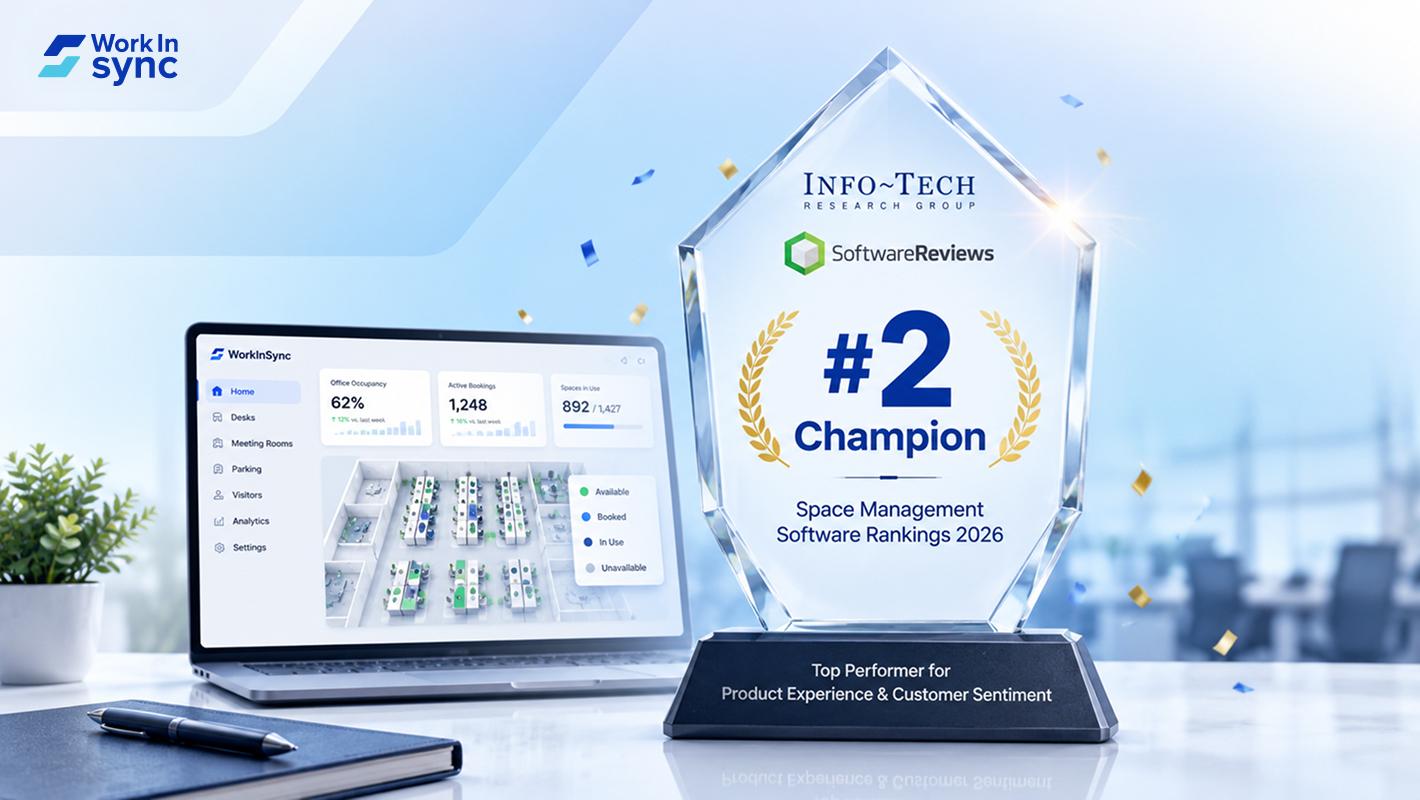
WorkInSync has been recognized by Info-Tech Research Group as a Champion in the 2026 Data Quadrant for Space Management, ranking #2, and as a Champion in the Emotional Footprint, ranking #2. Both awards are published on SoftwareReviews, Info-Tech's ratings platform, where rankings are built entirely from user feedback.

Sai Riddi
|
2 Min Read
Read More
 Desk Booking Software
5 June 2026
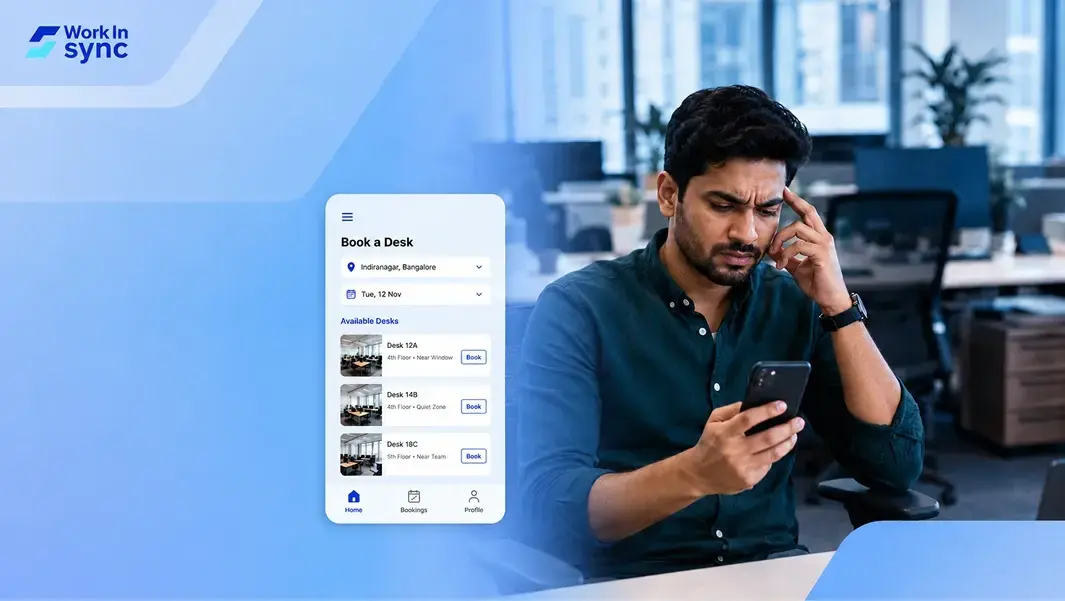
Let’s not pretend otherwise. Somewhere in your organization, a well-meaning IT or facilities team rolled out a desk booking system. There was a demo. Someone said “seamless.” There may have been a slide with the word “frictionless” on it. Leadership nodded. Procurement signed off. And then employees quietly went back to texting each other on […]

Ujjwal Trivedi
|
6 Min Read
Read More