
 Workplace Management
24 September 2026
Best Workplace Management Software in 2026: 6 Tools Compared
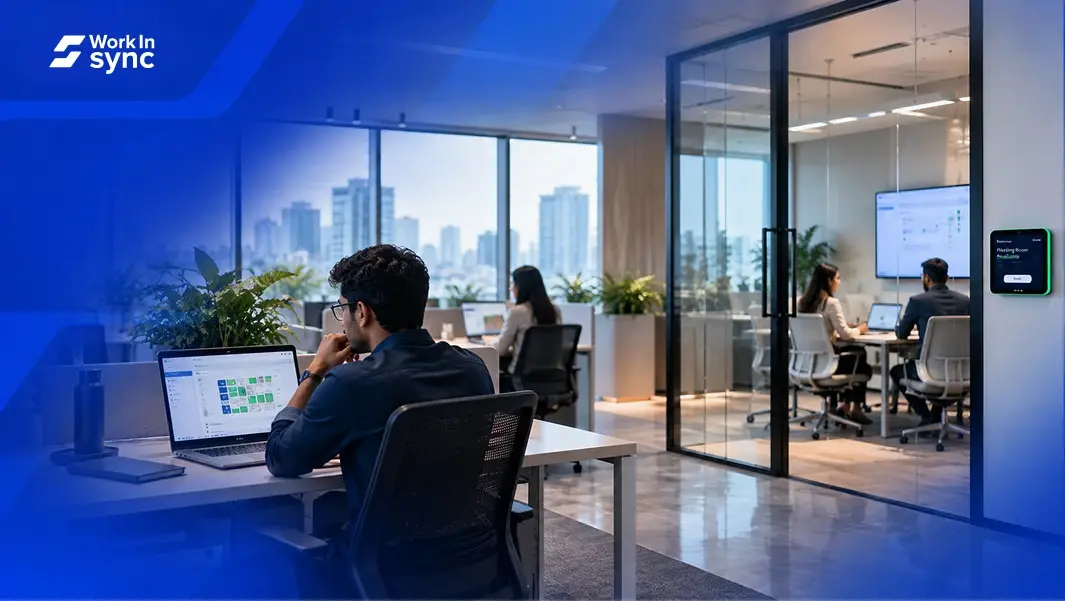
Compare six workplace management platforms. See what each is suited for and how to choose the right fit in 2026.

Deesha
|
4 Min Read
Read More

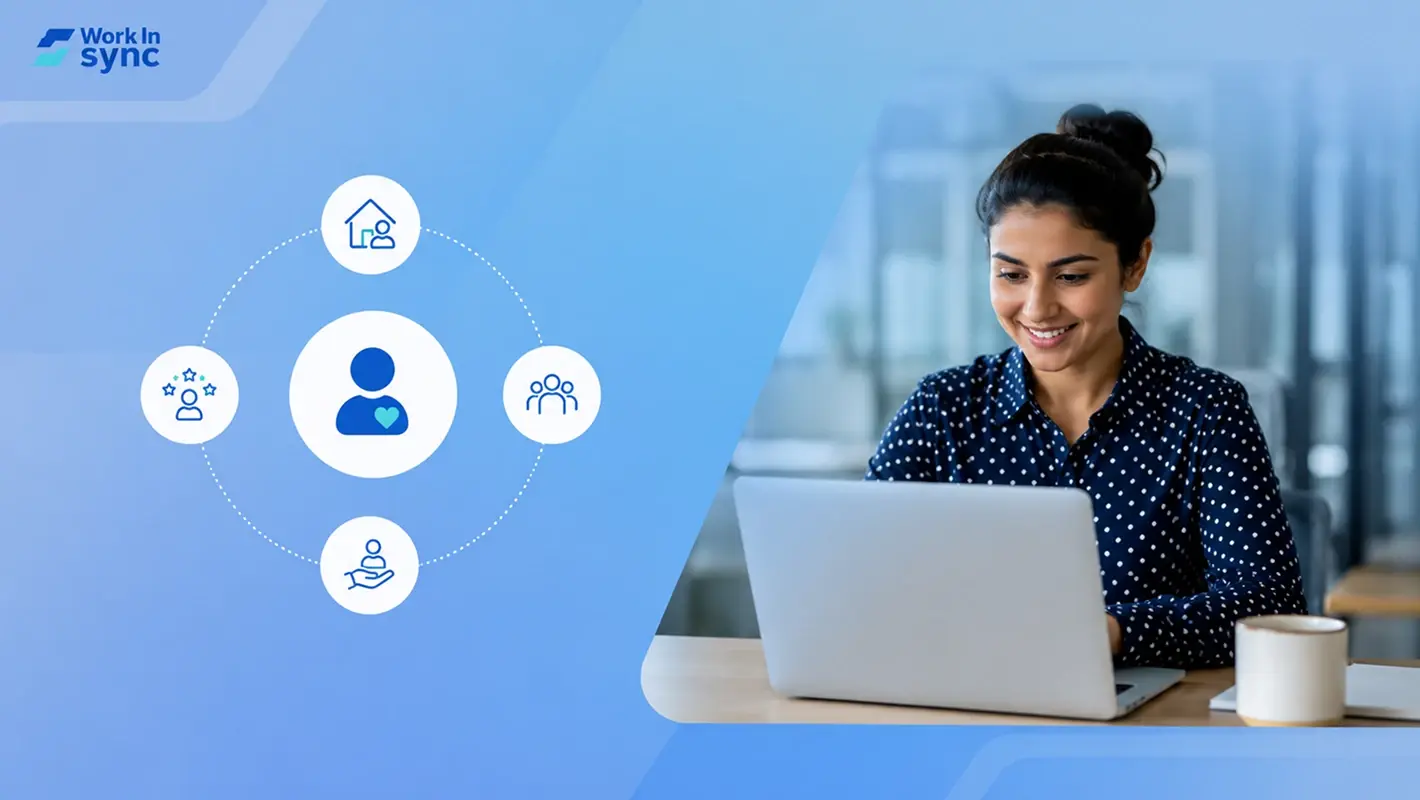
To ensure a positive employee experience, it is essential to understand its changing dynamics. Read this blog to understand how employee experience is changing.
Employee experience encapsulates what a person encounters during their tenure in a company. While customer experience has been the point of focus over the last few years, the pandemic has changed the outlook. Organizations are now investing in employee experience as employees are being recognized as the biggest asset.
Moreover, one in four employees is willing to change their jobs if their experience in their current organization is not positive.
Internal surveys are great to understand what your employees are experiencing in the organization. However, employee experience as a whole has changed.

While remote work was the only choice in 2020, 2021 saw a widescale adoption of hybrid work models. What was the lesson here? Employees are demanding workplace flexibility because they want a better work-life balance.
The new 4-day work week trend is picking up in 2022. 15% of companies in the US that are already applying this system. Buffer adopted the 4-day workweek in May 2020. Consequently they found out that 91% of the employees were more productive and had a better employee experience.
Of course, shifting to a 4-day work week will require organization-level changes. This might include activities like enabling asynchronous work, wherein employees can work at their own pace. It also promises a better work-life balance for employees.
For other companies, the choice to come to the office and when to come lies with the employees. Unlike the pre-pandemic landscape where life revolved around work, the current situation is all about managing work around one’s life.
This has opened opportunities to bring more balance to work and life. Renewed focus on work-life balance is redefining employee experience.
Most companies already have a Diversity Equity and Inclusion (DEI) program for their employees. Although fundamentally flawed, such programs do reveal the reality. While research shows such initiatives increase inclusion by 20%, over 53% of remote employees are feeling lonelier than ever. This has led to reduced engagement and productivity.
No brownie points for guessing that reduced engagement can have an adverse effect on employee experience.
Increasing the frequency of interactions is one-way companies can foster a feeling of belonging. Other effective ways of include informal group activities, review calls, in-person meetups, etc. Many companies prioritize such activities to increase engagement and improve employee experience.
Recommended Reading: 4 Ways to Make a Hybrid Workplace Fair
The last two years have brought about a lot of job uncertainty. This has pushed employees to re-skill themselves. Studies show that over 89% of employees surveyed would re-skill for a new job. Employees would prefer if companies supported their re-skilling journey by offering mentorship and providing learning materials.
If companies want to give their workers a good employee experience, they need to consider re-training their staff seriously. Otherwise, they risk losing their skilled employees to competitors who offer those chances instead.

There was a time when fixed perks would ensure employee satisfaction. But it is a thing of the past. Employees now know they are better off with flexible perks tailored to their specific needs.
Since flexible perks allow employees to personalize their benefits, it gives employees more control and fosters a positive employee experience. This also means companies have to understand the specific needs of employees.
Going by results from the Randstad RiseDmart report, about 43.2% of employees would like to find new roles within their company. Like it or not, you must enable such transitions if you want to foster a better employee experience at work. However, this is easier said than done, especially when employee and employer outlooks clash.
52.3% of employees compared to 73.5% of employers believe that there are enough internal mobility opportunities at work. This means companies have to work harder to know the employee expectations to provide a good employee experience.
Motivated employees tend to be more engaged and more productive at work. Providing hyper-personalized experience to your employees by streamlining their everyday activities can help improve their focus.
In that case, you could get more quality work from your employees. Besides, they will have a strong employee experience too! No wonder employee experience tends toward hyper-personalization. After all, it is a win-win solution on both employee and company fronts.

Employees will rightly demand an enjoyable employee experience in the future. However, it will not solely be the responsibility of human resources managers like yourselves anymore.
This is because employees will expect companies to provide holistic experiences, including a modern, tech-first, nurturing working environment. Since this extends beyond traditional HR duties different departments will have to work together to achieve this goal.
Employee experience is important and it is dynamic. It is possible to create a future of work where all employees feel like they belong. In order to keep up with the changing dynamics of employee experience, it is essential to give them a choice.
Allowing your employees to choose what matters can help you adapt to the fundamental shift happening in employee experiences.
Want to stay updated with the latest employee experience trends? Subscribe to our blogs to get fortnightly updates.
 Workplace Management
24 September 2026
Compare six workplace management platforms. See what each is suited for and how to choose the right fit in 2026.
Deesha
|
4 Min Read
Read More
 Announcement
13 August 2026
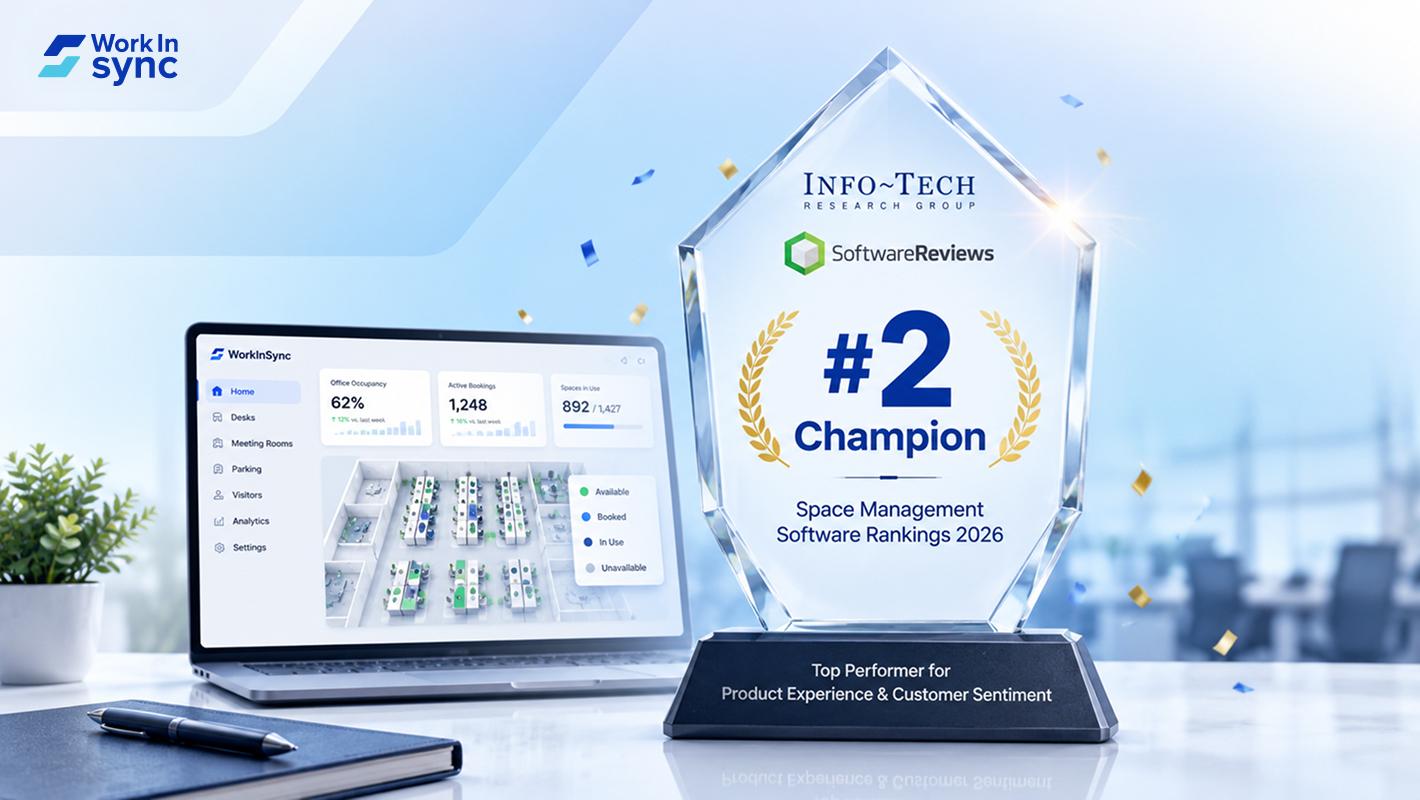
WorkInSync has been recognized by Info-Tech Research Group as a Champion in the 2026 Data Quadrant for Space Management, ranking #2, and as a Champion in the Emotional Footprint, ranking #2. Both awards are published on SoftwareReviews, Info-Tech's ratings platform, where rankings are built entirely from user feedback.

Sai Riddi
|
2 Min Read
Read More
 Desk Booking Software
5 June 2026
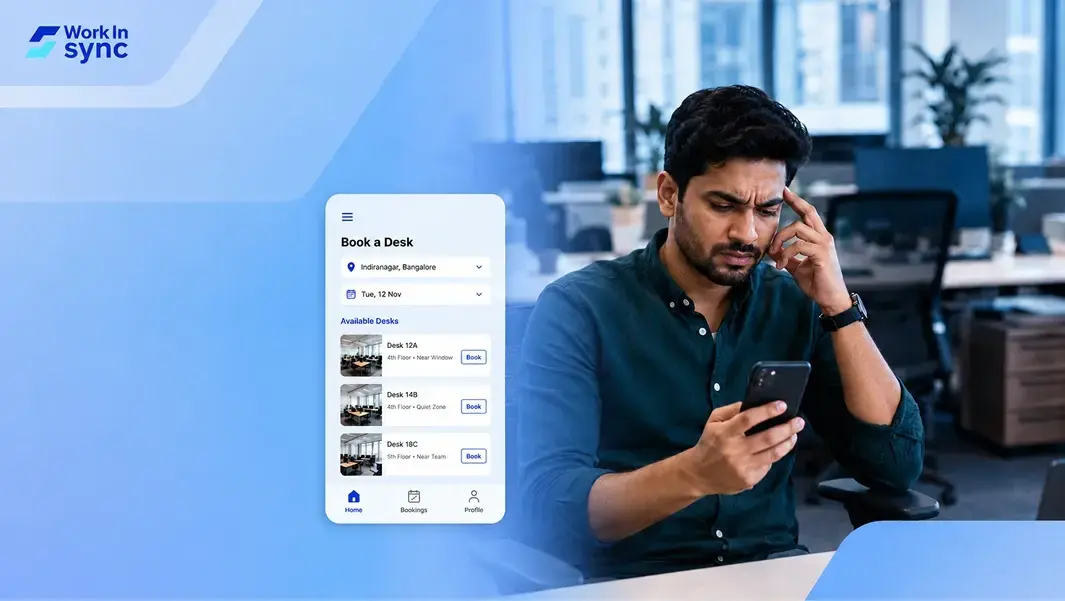
Let’s not pretend otherwise. Somewhere in your organization, a well-meaning IT or facilities team rolled out a desk booking system. There was a demo. Someone said “seamless.” There may have been a slide with the word “frictionless” on it. Leadership nodded. Procurement signed off. And then employees quietly went back to texting each other on […]

Ujjwal Trivedi
|
6 Min Read
Read More