
 Workplace Management
24 September 2026
Best Workplace Management Software in 2026: 6 Tools Compared
Compare six workplace management platforms. See what each is suited for and how to choose the right fit in 2026.

Deesha
|
4 Min Read
Read More
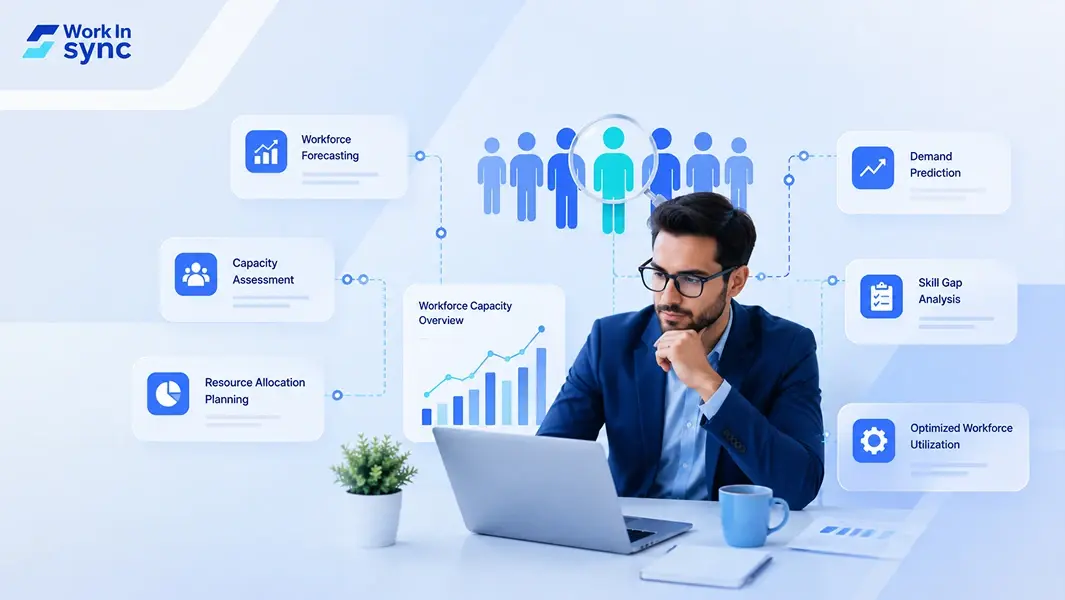
Workforce capacity planning helps you align your current staff with future business needs to prevent shortages or surpluses. By accurately forecasting your workforce capacity, you ensure the right number of employees with the right skills are available when needed, optimizing productivity and reducing costs.
A strong workforce planning strategy lets you anticipate demand, assess available resources, and close gaps through smart resource allocation planning. This proactive approach keeps your operations flexible and prepared for shifting workloads.
With effective capacity forecasting, you can make data-driven decisions that improve scheduling and workforce utilization. These methods are essential for maintaining a balanced, efficient workforce that supports your organization’s goals.
Understanding how much work your team can handle and aligning those capabilities with future demands helps you manage resources effectively. It involves assessing current employee availability and skill sets to meet project or business needs without under- or over-utilizing your workforce.
Workforce capacity planning is the process of determining how much work your organization can complete given your total workforce size and skills. It is essential for making sure you have the right number of employees with the right expertise available when needed.
The primary goal is to avoid workforce shortages that can delay projects or excess capacity that wastes resources. By forecasting workload and employee availability, you can optimize hiring, training, and scheduling decisions. This enables steady productivity and helps you meet business objectives more reliably.
While workforce capacity planning focuses specifically on your employees and their ability to complete tasks, resource planning covers a broader spectrum. Resource planning includes managing equipment, budget, and technology needed alongside human resources.
In essence, workforce capacity planning is a subset of resource planning. It zeroes in on labor availability and skill alignment. Effective workforce management depends on integrating these with your resource allocation plans to ensure neither people nor other assets are under- or over-deployed.
Effective workforce capacity planning helps you balance your staffing levels with your organizational objectives. It ensures that your workforce aligns with business goals while reducing unnecessary costs and supporting informed decisions about resource allocation and future demands.
You need to maintain a workload that your employees can handle without stress. Overloading staff leads to burnout, which decreases productivity and increases turnover rates. By accurately forecasting capacity, you can distribute tasks evenly and avoid overburdening individuals.
On the other hand, overstaffing inflates labor costs and dilutes resource efficiency. Workforce capacity planning helps you pinpoint the right number of employees needed at any given time, preventing wasted labor expenses. This balance supports both employee well-being and financial stability.
Your workforce should reflect current and projected business demands. Capacity planning enables you to match skills and headcount with the fluctuating needs of your projects and customers. This alignment supports meeting deadlines, maintaining quality, and achieving strategic business goals.
Using capacity forecasting also makes your resource management more agile. It helps you respond to market changes proactively rather than reactively, allowing you to adjust staffing levels before business performance is affected. Aligning capacity with demand means you stay competitive and productive.
Managing labor costs requires precise knowledge of your workforce capabilities relative to workload. Capacity planning gives you insights into when your labor demands peak and where you can trim excess hours or reallocate resources.
This strategic planning reduces unnecessary overtime and hiring expenses while maximizing resource utilization. You gain better control over your budget and can direct funds toward growth initiatives. Effective capacity planning is therefore integral to controlling financial implications linked to workforce management.
To optimize your workforce capacity, you need to combine precise forecasting with a thorough understanding of your current resources. You also need to prepare for multiple future scenarios and allocate resources dynamically. Continuous monitoring ensures your plans stay aligned with actual demand and workforce performance.
Your capacity planning starts with accurate demand forecasting. This means predicting how much work your organization will face over a given period. Use historical data, market trends, and business growth projections to create reliable demand estimates.
Strong forecasting reduces the risk of under- or overstaffing. You should include variables such as seasonal fluctuations, new projects, and changes in customer demand. Advanced forecasting tools can integrate these factors to improve your predictions.
For best results, rely on a mix of quantitative data and expert judgment. Continuous updates of forecasts help you respond swiftly to unexpected shifts in workload.
Understanding your current workforce’s skills and availability is crucial. Start by cataloging employee capabilities, certifications, and performance levels. This helps you match talent to tasks effectively.
Evaluate both full-time and contingent workers to get a full picture. You should identify skill gaps or surpluses early to inform hiring or training decisions.
Tracking workforce utilization rates shows if people are over- or underutilized, highlighting opportunities for reallocation. Maintaining a skills inventory supports agile capacity planning and proactive adjustments.
Scenario planning lets you test how different conditions affect workforce needs. Develop multiple future scenarios based on variables like market growth, technology changes, or regulatory shifts.
Use gap analysis to compare forecasted demand with current capacity under each scenario. This identifies shortages or excesses you must address.
This process guides decisions on hiring, training, or temporarily scaling your workforce. It also prepares you to react strategically if assumptions change.
Scenario planning is a core capacity planning strategy that increases your flexibility and resilience.
Effective capacity planning requires real-time resource allocation. Assign tasks and shifts based on immediate demand and available skills.
Use scheduling software that can adjust quickly to changes such as sick leave or urgent projects. This improves efficiency and minimizes downtime.
You should prioritize flexible scheduling to handle unexpected fluctuations without long delays. Real-time adjustments help maintain balance between workload and workforce capacity.
Strategic resource allocation reduces costs and supports continuous planning to meet evolving business needs.
Continuous monitoring lets you track how actual workforce utilization and demand compare to your plans. Use dashboards and key performance indicators (KPIs) to gain real-time visibility.
Regularly review metrics like productivity, absenteeism, and forecast accuracy. These insights enable you to adjust capacity planning strategies proactively.
Ongoing monitoring supports continuous planning and continuous improvement. It helps you spot emerging issues early and reallocates resources before problems escalate.
By maintaining this dynamic approach, you can sustain alignment between capacity and demand over time.
Accurately matching your workforce to the demands of client projects requires you to understand current and future talent needs. You must pinpoint your team’s capacity, identify gaps, and deploy resources effectively to optimize utilization and meet workload demands.
Start by analyzing the workload your organization expects. Break down client projects, deadlines, and required skill sets to estimate how many people you need and which expertise areas are critical. Include both routine operations and any anticipated peak periods.
Consider factors such as project complexity, expected timelines, and new initiatives. This helps you establish a clear target for your talent needs rather than guessing. Documenting these needs forms the foundation of your capacity planning process.
Focus on quantifying demand in terms of hours, deliverables, or milestones. This ensures you have a measurable and practical way to assess how much workforce capacity is required.
Next, evaluate your existing workforce’s capabilities and availability. Review current employees’ skills, experience, and workload to understand who can handle upcoming tasks.
Take into account resource utilization rates, how much of each person’s time is already committed. This helps avoid overloading and identifies who has capacity to take on new projects.
Use data from HR systems or time-tracking tools to gather accurate information. Also, consider factors like employee turnover and planned absences to get a realistic picture of your workforce supply.
Now compare your defined capacity needs with the available workforce supply. Pinpoint the gaps where talent demand exceeds available resources or where critical skills are missing.
Also identify constraints such as budget limits, skill shortages, or geographic distribution of your team. These can impact your ability to fully utilize your current workforce.
You can use tables or charts to visualize these gaps. For example:
Skill Area | Demand (Hours) | Supply (Hours) | Gap (Hours) |
|---|---|---|---|
Software Developers | 1000 | 800 | 200 |
Project Managers | 500 | 600 | -100 (Surplus) |
This clarity helps you target recruitment, training, or reallocation efforts precisely.
With gaps identified, develop strategies to allocate your resources effectively. Prioritize matching the right people to the right projects based on skills, availability, and project priority.
Consider options like:
Hiring temporary or contract staff
Upskilling current employees to close skill gaps
Redistributing tasks to balance workloads
Use tools such as resource management software to facilitate this process. Your goal is to maximize resource utilization while ensuring project deadlines and quality standards are met.
Document clear guidelines and contingency plans to address unexpected changes during project execution.
Put your workforce capacity plan into action by assigning resources according to your strategies. Communicate roles and expectations clearly to your team.
Regularly monitor workload, productivity, and resource utilization. Use real-time data to adjust assignments and address bottlenecks early.
Monitoring also helps identify new gaps that arise as projects evolve. Continuous feedback loops are essential for maintaining balance and meeting client demands.
Adjust your plan as necessary, and keep stakeholders informed throughout to ensure alignment. This ongoing management is key to an effective workforce capacity planning process.
Effective workforce planning relies on technologies that help you analyze current capacity, forecast future needs, and allocate resources efficiently. These tools integrate data and automate workflows, giving you timely insights to adjust plans as business demands evolve.
Capacity planning software uses your organization’s historical data to improve forecasting accuracy. Advanced tools incorporate machine learning and predictive analytics to identify patterns and anticipate workload changes before they occur.
You can leverage dashboards to visualize workforce metrics, such as headcount needs, skill gaps, and project demands. These visualizations make it easier for you to make informed decisions on resource allocation.
AI capabilities enable dynamic adjustments based on real-time data, allowing your strategic workforce planning to remain agile.
Integrating workforce planning tools with your HRIS and project management systems ensures data consistency and streamlines your workflows. This connection enables automatic updates on employee availability, skills, and assignments.
By syncing with project management software, you can align your capacity forecasting with actual project timelines and milestones. This reduces the risk of overstaffing or resource shortages.
Through integration, you maintain a centralized system where all relevant workforce data is accessible, which simplifies scenario planning and improves collaboration between HR and operations teams. This interconnected approach supports a more accurate and responsive workforce capacity plan.
Successful workforce capacity planning requires addressing specific obstacles that can disrupt your resource allocation and forecasting accuracy. Managing data quality, employee engagement, and adapting to changing market conditions is critical for minimizing risks and maintaining compliance.
Inaccurate forecasting often stems from relying on outdated or incomplete data. This can lead to overstaffing or understaffing, both of which increase costs and reduce operational efficiency.
To reduce forecasting errors, use historical data combined with real-time market trends. Build in contingency plans for unexpected workload spikes or staff absences to mitigate risks. Regularly update your forecasting models to reflect changes in demand and compliance requirements.
Incorporate multiple data sources and validate assumptions with team feedback. This ensures your capacity forecasts better align with actual business needs, avoiding costly misallocations.
Without real-time visibility into your workforce capacity, identifying bottlenecks or underutilization becomes difficult. This can delay decision-making and obscure potential risks.
Implement systems that provide up-to-date insights into resource availability and project progress. Visualization tools like dashboards highlight key metrics and track compliance with labor regulations.
Prioritize tools offering integration with other business platforms for seamless data flow. Real-time data allows you to adjust resource allocation instantly, preventing capacity shortfalls and enhancing your ability to follow market trends efficiently.
Change resistance often slows down the adoption of improved capacity planning processes. Employees may hesitate to trust new tools or adjust workflows, risking project delays and misalignment with strategic goals.
Address this by communicating the benefits clearly and involving staff in the planning process. Provide training and support to ease transitions and reduce fears associated with new systems.
Develop risk mitigation strategies for pushback and incentivize adoption to turn resistance into engagement. Keeping compliance requirements and future workforce needs transparent helps foster cooperation during change initiatives.
Understanding how to apply workforce capacity planning in practice can clarify its impact on team performance and resource allocation. You will see how specific strategies and metrics guide decision-making to improve workload management and future staffing.
You manage a customer support center facing rapid growth in ticket volume. To keep up, you project future workload by analyzing past ticket inflow, agent availability, and average handling time.
By adjusting headcount based on these projections, you avoid overstaffing while ensuring timely responses. You also cross-train team members to handle peak periods efficiently.
Your planning focuses on balancing workload across shifts and minimizing idle time. This improves agent utilization without increasing burnout risk.
These targeted workforce adjustments help you maintain service quality and meet client expectations even as demand rises. This approach is a direct application of workforce capacity planning principles from practical business contexts like customer support.
Key metrics you should track include:
Average Handle Time (AHT)
Tickets per Agent
Agent Utilization Rate
First Response Time
Monitoring these allows you to measure whether your workforce capacity matches demand.
In one example, increasing agent headcount by 15% based on capacity forecasts reduced average response time by 20%. Simultaneously, agent utilization remained within an optimal 70–80% range, avoiding overwork.
Tracking these performance metrics provides insight for continuous improvement in both resource allocation and future capacity forecasting. Using real data to inform decisions lets you optimize your team’s output effectively.
Effective workforce capacity planning depends on strategically managing resources, continuously enhancing skills, and fostering collaboration across your organization. These elements ensure you can meet demand without overextending your team or leaving critical roles unfilled.
Start by linking your capacity planning directly to your company’s objectives. Identify which projects or operations drive your core business results and prioritize staffing accordingly. This alignment helps you allocate resources where they bring the most value.
Use measurable goals and timelines to guide your workforce plans. Clearly define roles and responsibilities so everyone understands how their work supports larger ambitions. Regularly review progress and adjust resource allocation based on changing priorities to maintain agility.
Keep documentation of your plans and decisions centralized. This transparency supports collaboration across teams and departments, ensuring everyone works toward shared targets.
Prepare your workforce for evolving needs by investing in targeted training programs. Analyze skill gaps regularly and develop personalized development paths to upskill employees in critical areas.
Encourage continuous improvement through regular learning opportunities, such as workshops or online courses. Reskilling employees for emerging roles reduces dependency on external hiring and increases workforce flexibility.
Track learning outcomes and adjust your training strategies to ensure they meet the demands forecasted in your capacity plans. Integrating talent management with skill development helps you build a resilient team ready for future challenges.
Cross-departmental collaboration is essential for accurate capacity planning. Establish consistent communication channels between HR, operations, and project managers to share workforce data and forecast needs.
Implement regular check-ins and updates to address potential gaps or surpluses promptly. Use shared platforms or tools to maintain real-time visibility of resource availability and allocation.
By improving communication, you reduce risks of misalignment and foster a cooperative environment where capacity plans reflect actual operational demands. This clarity supports better decision-making and efficient workforce management.
Effective workforce capacity planning is essential for balancing workload and employee availability within operational processes. It ensures your resources are allocated to meet demand while controlling costs and maintaining productivity.
Capacity planning allows you to anticipate staffing needs based on workload forecasts. By understanding the total work volume and available workforce, you can avoid both overstaffing and understaffing.
Using data-driven forecasts, you match employee skills and headcount to tasks, minimizing downtime and bottlenecks. This balance helps optimize labor costs while keeping service levels stable.
You also gain flexibility to adjust quickly when demand shifts, reducing operational disruptions. Workforce capacity planning supports more accurate scheduling and resource allocation across departments.
In manufacturing, capacity planning ensures the right number of operators or technicians are assigned to production lines, preventing delays and maintaining output targets. It is closely linked with supply chain management for timely material handling and product delivery.
In IT, capacity planning involves aligning specialists to projects based on skill sets and anticipated workloads. This supports on-time delivery of software, maintenance, and support services.
Service industries rely on capacity planning to schedule frontline staff efficiently, such as customer support or retail workers, matching peak demand periods. This improves customer experience while avoiding excess labor costs.
By applying workforce capacity principles suited to each industry, you can improve operational control and responsiveness.
To grow effectively, you need to align your workforce and resources with your future demands. Workforce capacity planning helps you anticipate staffing needs and skill gaps before they impact your operations. This proactive approach keeps your team ready and your projects on track.
Focus on clear capacity forecasting methods to predict workload trends. Use these forecasts to make informed decisions about hiring, training, and reallocating resources. This reduces downtime and keeps your delivery consistent.
Here are key actions to improve your capacity planning:
Analyze workload patterns regularly to spot shifts early
Identify skill gaps proactively for targeted training
Adjust resource allocation swiftly based on real-time data
Using these strategies, you can optimize your resource usage without overextending your team or budget. A smarter plan means smoother scaling.
For deeper insights on aligning resources with future needs, explore workforce capacity planning techniques that fit your industry and goals. Effective planning tools help you make strategic adjustments with confidence, ensuring your growth is both sustainable and efficient.
 Workplace Management
24 September 2026
Compare six workplace management platforms. See what each is suited for and how to choose the right fit in 2026.
Deesha
|
4 Min Read
Read More
 Announcement
13 August 2026
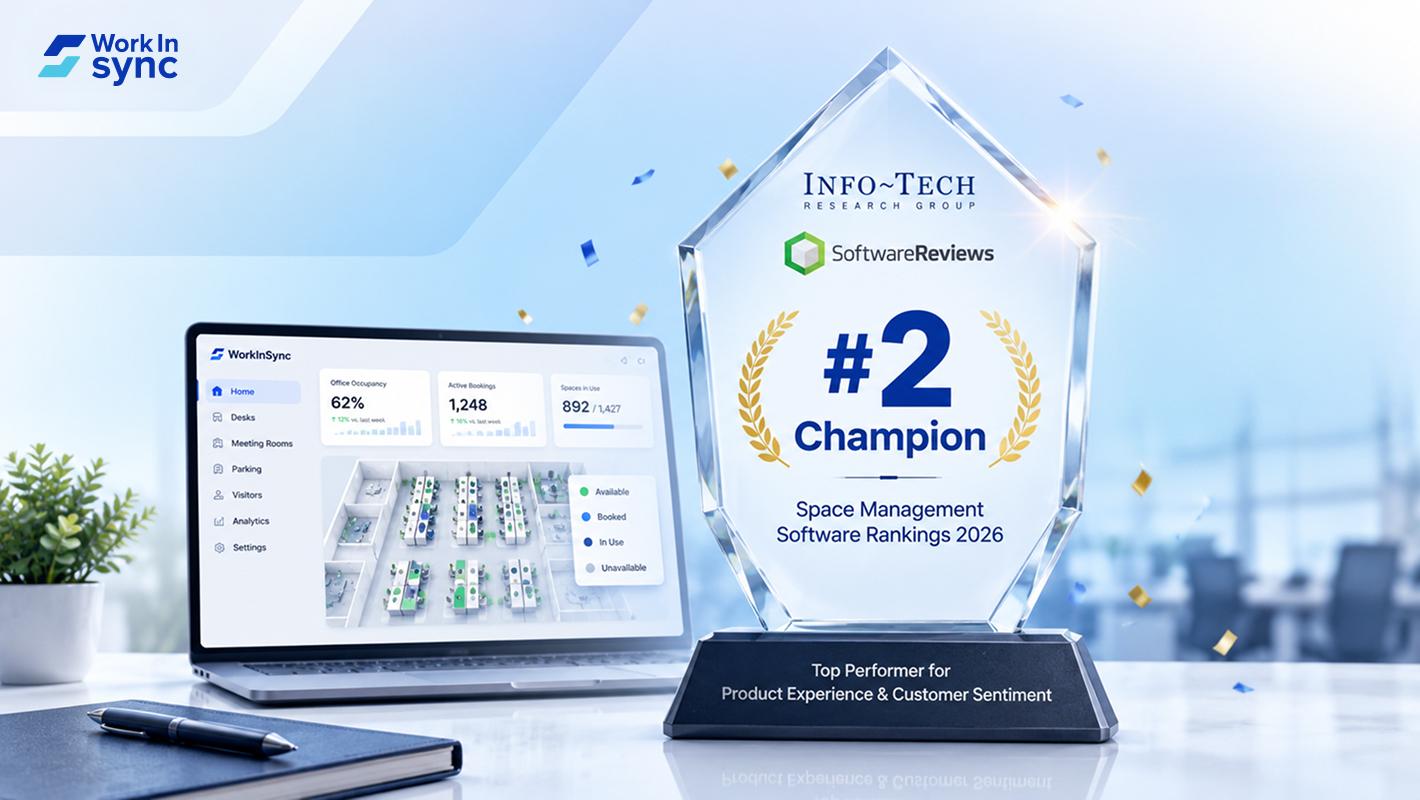
WorkInSync has been recognized by Info-Tech Research Group as a Champion in the 2026 Data Quadrant for Space Management, ranking #2, and as a Champion in the Emotional Footprint, ranking #2. Both awards are published on SoftwareReviews, Info-Tech's ratings platform, where rankings are built entirely from user feedback.

Sai Riddi
|
2 Min Read
Read More
 Desk Booking Software
5 June 2026
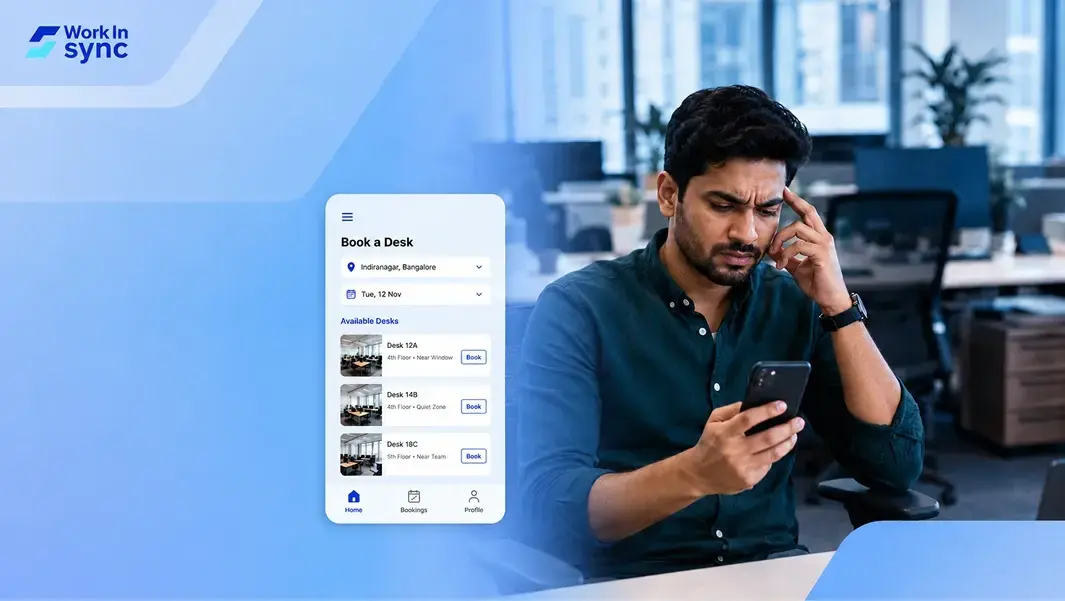
Let’s not pretend otherwise. Somewhere in your organization, a well-meaning IT or facilities team rolled out a desk booking system. There was a demo. Someone said “seamless.” There may have been a slide with the word “frictionless” on it. Leadership nodded. Procurement signed off. And then employees quietly went back to texting each other on […]

Ujjwal Trivedi
|
6 Min Read
Read More